




Due to the practical nature of trade occupations, applicants undertaking skills assessment may be required to complete an additional Technical Interview to verify their real-world competency. This is an important stage that can determine whether you receive a positive skills assessment outcome. So, how can you pass this interview more easily and confidently? Skill Direct will share the key insights in the article below.
1. Which Assessing Authorities Require a Technical Interview?
n many fields such as ICT or education, the skills assessment process is often based mainly on documentary evidence, including qualifications, employment experience and supporting documents. However, for trade occupations, documents alone may not be enough. Because these occupations require practical skills and a high level of technical accuracy, assessing authorities often need an additional basis to evaluate the applicant’s real-world capability.
For this reason, some assessing authorities require a Technical Interview to determine whether the applicant truly meets Australia’s occupational standards.
1.1 Why Is a Technical Interview Required?
Technical Interview is an additional assessment stage in the skills assessment process for many trade occupations. After your documents have been reviewed, the assessing authority may ask you to attend a Technical Interview either online or in person with an assessor who has professional knowledge and practical experience in your nominated trade.
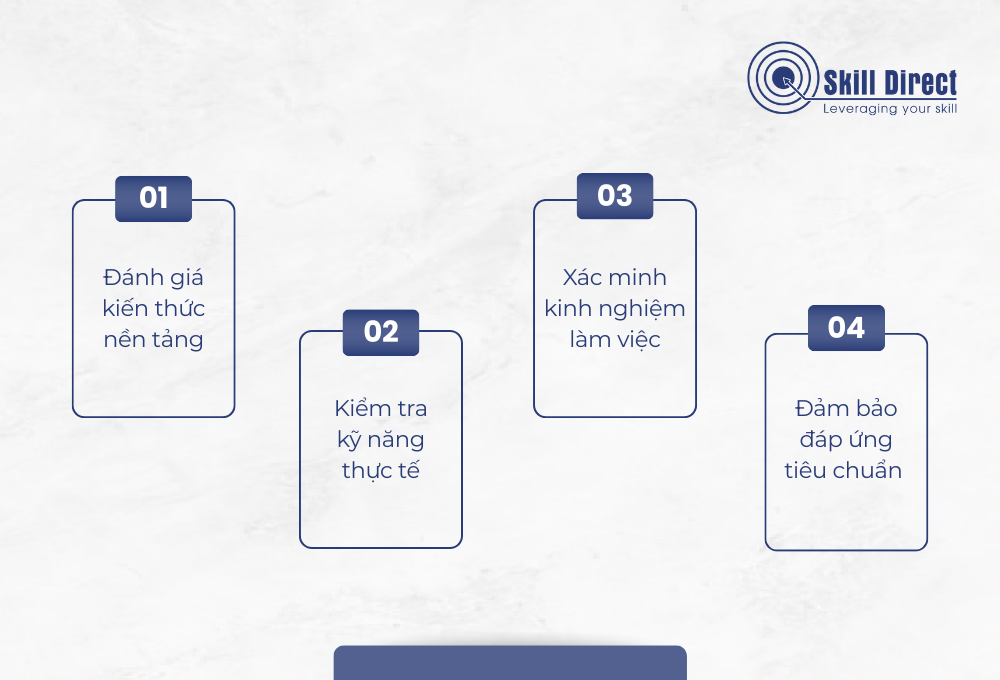
Through this interview, the assessing authority will:
- Assess your foundational knowledge: The assessor will check your understanding of work procedures, operating principles and occupational safety requirements.
- Test your practical skills: You may be asked to explain or describe, step by step, how you perform specific tasks or handle practical situations in your trade.
- Xác minh kinh nghiệm: The interview helps confirm whether the experience and skills declared in your application genuinely reflect your actual capability.
- Confirm whether you meet Australian occupational standards: The assessor will evaluate whether you have the technical ability required to perform the occupation in an Australian workplace environment.
A Technical Interview can be a decisive factor in whether you receive a positive skills assessment outcome. Therefore, in addition to preparing a strong application, you must also understand the work you have done in practice. Your hands-on knowledge and accumulated workplace experience are what will help you confidently demonstrate your competence and succeed in this interview.
1.2 Assessing Authorities That Require Technical Interviews for Trade Occupations
Each Australian assessing authority has its own assessment process depending on the nature of the occupation. For trade occupations, because the work requires a high level of practical skill, many authorities require a Technical Interview to assess real competency - something documents alone may not fully demonstrate.
Among them, VETASSESS and TRA (Trades Recognition Australia) are two authorities that commonly use this form of assessment:
- VETASSESS: Technical Interviews may apply to many trade occupations such as Chef, Baker, Carpenter and Motor Mechanic. The interview focuses on technical knowledge, work procedures, equipment use, safety standards and the ability to respond to real workplace scenarios.
- TRA: TRA is the specialist assessing authority for many trade occupations. It often requires a Technical Interview under certain assessment pathways. Applicants are interviewed directly by an assessor with practical industry experience to verify their skills and employment history.
2. The Technical Interview Process
A Technical Interview usually involves three stages: before, during and after the interview. Understanding each stage will help you prepare more effectively and participate with greater confidence.
Before the Technical Interview
After you pass the document review stage, the assessing authority will contact you and provide detailed instructions on what you need to prepare before the interview. You may also need to complete any relevant payments before the assessment takes place.
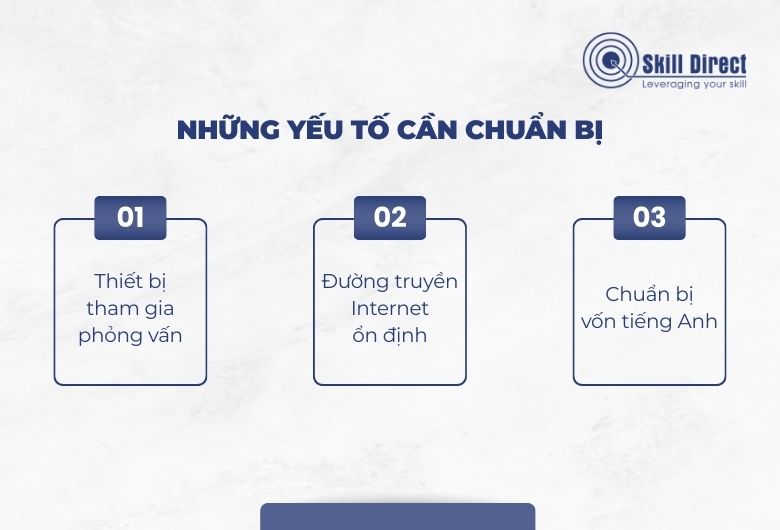
Important preparation points include:
- Interview format: A Technical Interview may be conducted online or in person, depending on the assessing authority and assessment pathway.
- Technical requirements for online interviews: If the interview is conducted online, you may be required to use a laptop or desktop computer instead of a phone or tablet. Most assessing authorities also recommend a minimum internet speed of around 10 Mbps download and 5 Mbps upload to ensure the interview runs smoothly.
- Possible requirement to attend an in-person interview: If your internet connection does not meet the required standard and disrupts the assessment process, you may be asked to attend an in-person interview at a location nominated by the assessing authority. This location may not be close to where you live. For some TRA pathways, refusing to attend an in-person interview when required may result in an unsuccessful Technical Interview outcome.
- Language requirements: You are generally not allowed to use an interpreter or receive assistance during the interview. Therefore, you need to ensure that your English is sufficient to describe your work, tools, procedures and answer technical questions.
During the Technical Interview
During the interview, listen carefully to the assessor’s questions and answer based on your own practical work experience. Depending on your occupation, you may be asked to describe the process of completing a task, explain how certain systems or tools work, describe how to use equipment, or explain how you handle issues that arise in the workplace. The assessor will evaluate your level of understanding and competency based on the way you explain your work.
After the Technical Interview
Once the technical assessment is completed, the Registered Training Organisation (RTO) authorised by TRA to conduct the interview will prepare a recommendation report and submit it to TRA. Based on this report, TRA will make the final decision on whether you have passed or failed the Technical Interview.
Understanding the process and preparing thoroughly from the beginning will help reduce pressure, allow you to demonstrate your abilities with confidence, and improve your chances of receiving a positive skills assessment outcome.
3. Strategies to Easily Pass Your Skills Assessment Technical Interview
A Technical Interview will not be a major obstacle if you prepare correctly. Below are several tips to help you enter the assessment with confidence and increase your chance of achieving a positive outcome.
3.1 Prepare Both Your Knowledge and Mindset
A skills assessment interview requires both strong technical knowledge and the ability to clearly explain what you have done in real workplace situations. Therefore, you should prepare carefully in both professional knowledge and mindset.
First, review the theories related to your occupation,including operating principles, safety standards and basic work procedures. You cannot predict exactly what the assessor will ask, so having strong foundational knowledge will help you respond confidently to different questions.
At the same time, practise your trade skills again. Whether you are a painter, bricklayer, chef or mechanic, revisiting the practical steps will help you remember the process and describe it more clearly during the interview. The assessor will assess whether you understand the correct techniques, work carefully, and are genuinely competent in your trade.
Finally, stay calm. Most questions asked by the assessor will relate to the actual work you have performed. Instead of memorising answers, focus on sharing your own experience naturally and clearly.

3.2 Use a Clear Answering Strategy
How do you know whether your interview answer is complete enough? How can you ensure that the assessor understands your capability? Skill Direct suggests using the following common interview response models:
- STAR (Situation – Task – Action – Result): This is one of the most widely used response models. You begin by describing the situation, then explain the task you needed to complete, the specific actions you took, and the result achieved. STAR helps make your answer clear, logical and complete.
- CAR (Challenge – Action – Result): This is a shorter version of STAR. It focuses on the key challenge, the action you took and the final result. This method is useful when the task is simple or when interview time is limited.
- SOAR (Situation – Obstacle – Action – Result): This model is especially useful when you want to explain a situation involving a significant obstacle. You describe the situation, the difficulty or obstacle, the action you took and the result achieved. SOAR helps the assessor better understand your problem-solving ability.
Whichever model you use, the most important thing is to clearly explain your role, the specific actions you performed and the results achieved. These are the key elements that allow the assessor to evaluate your trade experience and skills.
3.3 Support From Migration Professionals
A Technical Interview can make many applicants feel anxious, especially if they have never gone through this process before. However, with proper preparation and the right guidance, you can confidently demonstrate your abilities.
To make your Australian migration journey smoother, Skill Direct is always ready to support you. We do not only assist you during the Technical Interview stage. We also help build a comprehensive, effective and sustainable strategy throughout the entire skills assessment process. With professional guidance, you can focus on showing the assessing authority what you do best.


