



Why are certain occupations considered priority occupations for Australian migration? Is it because of labour shortages, or are there other reasons behind it?
It is no coincidence that Australia has become a fertile land for immigrants from all over the world. This stems from the fact that this country still has a shortage of indigenous human resources in some occupations. Choosing occupations that belong to the priority occupations for Australian settlement can help you easily live and work in Australia. Is the occupation you are interested in on the list of priority occupations for settlement in Australia? Let's find the answer through the article below!

What Are Priority Occupations for Australian Migration?
To address labour shortages, Australia has introduced PMSOL skilled occupation lists to attract suitable skilled migrants. Occupations that are in demand across Australia are often referred to as priority occupations for migration purposes.
As the name suggests, choosing an occupation that is in demand may improve your chances of receiving an invitation to apply for a skilled visa, thereby making your skilled migration journey more favourable. These occupations span a wide range of fields, including engineering, information technology, law, business management, healthcare, education and more.
Why Does Australia Need Priority Migration Occupations?
The demand for priority migration occupations is driven by two key factors: labour shortages within Australia and the ongoing demand for migration from skilled workers overseas. The skilled occupation lists help Australia balance these two needs by attracting workers who can contribute to the country’s economy while also creating opportunities for eligible migrants.
Labour Shortages
Australia regularly faces workforce shortages in several key economic sectors. Some common reasons include:
- Increasing demand for certain occupations to support annual economic growth
- Australia’s ageing population, which contributes to a shrinking working-age population. Limited availability of local workers in some specialised industries
Migration Demand
Like other major countries such as the United States and Canada, Australia also needs to manage growing migration demand from people who wish to work, study, settle or reunite with family. Priority skilled occupation lists help Australia create migration opportunities while also ensuring that incoming migrants contribute to areas where the country genuinely needs workers.

Popular Priority Occupations Among Vietnamese Applicants
Australia’s skilled occupation lists include many occupations that are familiar and attractive to Vietnamese applicants. In many cases, Vietnamese applicants may meet the basic migration requirements through university or vocational qualifications and work experience gained in Vietnam.
Engineering
Vietnam has produced many highly skilled engineers through recognised universities, including institutions that may be assessed favourably under international qualification frameworks (section 1). In addition, many Vietnamese engineers have years of local and international work experience, which may help them meet the basic requirements for skilled migration in engineering occupations.
Popular engineering occupations often considered for Australian migration include: Civil Engineer, Mechanical Engineer, Electrical Engineer,... These occupations can offer attractive salary prospects in Australia, with many engineering roles reaching around AUD 100,000 per year depending on experience, location, and employer.
(*) Section 1: Universities offering Bachelor's degrees that are equivalent to a Bachelor's degree in Australia.
Healthcare and Nursing
Australia’s ageing population is one of the key drivers behind the demand for healthcare workers. This directly increases the need for professionals in healthcare, nursing and medical-related occupations.
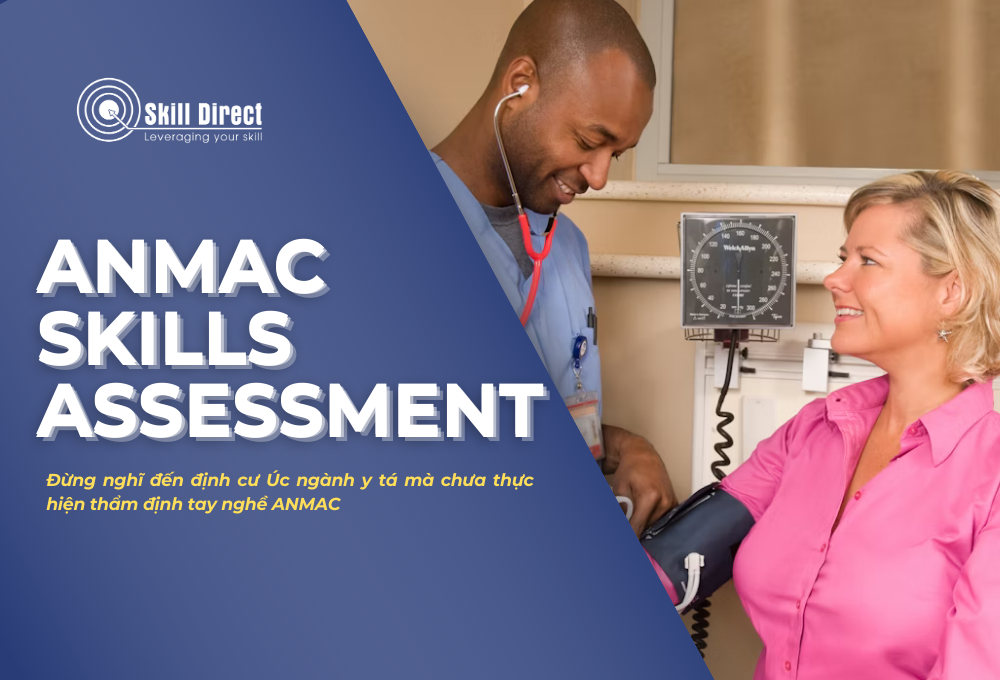
Nursing is one of the most prominent occupations in this field. Nurses are required to have strong professional knowledge and practical skills in patient care, health monitoring and treatment support. Australia is expected to continue needing a significant number of additional nursing professionals in the coming years.
Doctors are also highly valued, even though Australia already has local medical professionals. This reflects the country’s strong focus on healthcare quality and its position as one of the leading healthcare systems among developed nations.
Information Technology
Contrary to the belief that artificial intelligence is replacing human roles, Australia continues to face shortages of highly skilled IT professionals. To maintain its competitiveness in the global technology sector, Australia continues to include many IT-related occupations in skilled migration pathways.
In-demand IT roles may include: Software Engineer, Developer Programmer, ICT Business Analyst, Systems Analyst.... With a strong academic foundation and relevant work experience, Vietnamese IT professionals may be able to compete for opportunities with leading technology companies in Australia.
Education
Alongside healthcare, the economy and social development, education remains a key priority for Australia. Early childhood education is particularly important, as it supports the development of children’s foundational knowledge and skills. As a result, Early Childhood Teacher has become an increasingly attractive occupation for skilled migration, with growing visa opportunities in recent years.
Some states have also increased opportunities for this occupation. especiallyVictoria included Early Childhood Teacher as a priority occupation under its 2024–25 nomination program for the Skilled Nominated Visa (Subclass 190) and the Skilled Work Regional (Provisional) Visa (Subclass 491). Subclass 190 and Subclass 491.

Regions With Strong Opportunities for Priority Occupations
Choosing the right state or territory can have a major impact on your migration prospects, as each jurisdiction has its own nomination criteria and allocation of places. Priority migration opportunities are not limited to Australia’s largest cities. Many regional areas also offer strong employment prospects and competitive salaries. Some notable locations include:
- Northern Territory: The Northern Territory is a large region with a tropical climate that shares some similarities with Vietnam. Darwin is often considered one of the most attractive cities for settlement in this territory.
- South Australia: South Australia is a growing state with strong development potential. Its capital city, Adelaide, offers many opportunities while often being more affordable than larger cities such as Sydney and Melbourne.
- Western Australia: Western Australia is an attractive destination for skilled migrants, especially due to its strong economy and employment opportunities. Perth is a well-known city that offers a high quality of life while often having more manageable living costs compared with Sydney or Melbourne.
Which Visa Subclasses Can Priority Occupations Support?
You may live and work in Australia in priority occupations through different long-term or short-term work visa pathways. Based on Skill Direct’s experience, Vietnamese applicants should generally consider skilled migration visa subclasses or employer-sponsored visa subclasses, depending on their circumstances. skilled migration.
With Australian skilled worker visas, you can work and live legally in Australia for a minimum of five years. This can ensure you a stable and long-term future in Australia, compared to short-term internships/work.

General Skilled Migration Visa Subclasses
- Subclass 189: Permanent residence without state or employer sponsorship
- Sc190: Permanent residence through state or territory nomination
- Sc491: Provisional regional visa through state or territory nomination or eligible relative sponsorship
Employer-Sponsored Visa Subclasses
- Subclass 186: Permanent Residency, requires employer sponsorship
- Subclass 482:Temporary Residency, requires employer sponsorship
- Sc494: Provisional regional employer-sponsored visa
General Requirements for Skilled Migration to Australia
Below are some general requirements that may help applicants move closer to an Australian skilled migration pathway:
| Category | Criteria |
| Age | Under 45 years old at the time of invitation |
| Work experience | Depends on the nominated occupation and assessing authority; some occupations may not require work experience for eligibility |
| Education | Must meet the requirements of the nominated occupation and assessing authority; this may range from Certificate III, Diploma or bachelor degree level depending on the occupation |
| English language proficiency certificate | At least Competent English, such as IELTS 6.0 in each band, PTE 50 in each skill, or equivalent |
Does Choosing a Priority Occupation Make Migration Easier?
Choosing a priority occupation does not mean that you will automatically receive a visa. To successfully obtain an Australian skilled visa, you still need to satisfy several important requirements and complete key stages in the process.
A priority occupation may improve your prospects only when the following factors are also met:
- Choosing the Right Occupation
You still need to select an occupation that genuinely matches your qualifications and work experience. Choosing an occupation that does not align with your background may cause issues during Skills Assessment or visa processing.
- Passing the Skills Assessment
Australian assessing authorities must determine whether your qualifications, experience and skills meet the required standards for your nominated occupation. This is usually one of the first and most important steps in the skilled migration process.
- Receiving an Invitation to Apply
Receiving an invitation depends on migration planning levels, state nomination priorities, occupation demand and your points score. The stronger your points score and overall profile, the closer you may be to receiving an invitation for a skilled migration visa.
Do you want to obtain an Australian skilled visa? With a team experienced in handling migration and skills assessment applications, Skill Direct can help you develop a suitable strategy based on your occupation, qualifications, work experience and current migration opportunities.
Contact Skill Direct today via hotline 0846 868 685 for dedicated and professional advice!
Priority occupations for Australian migration may offer valuable opportunities for applicants who can meet Australia’s workforce needs. Skill Direct hopes this article has helped you better understand why certain occupations are prioritised and how they may support your migration journey. It would be our honour to accompany you on your pathway to Australia.