



Studying and building a career in Australia is a dream shared by many young Vietnamese who choose the Land Down Under as the destination for their academic and professional journey. With its world-class education system, high quality of life, and attractive salary levels, Australia has long been regarded as a land of opportunity. However, behind this promising picture lies a growing challenge: Vietnamese international graduates are finding it increasingly difficult to secure employment in Australia.
As a result, many students are left wondering: After years of study and finally earning my degree, will I actually be able to find a job? How can I compete with local graduates? And what can I do now to maximise my chances of staying and working in Australia?
If you're asking yourself these questions, you're not alone. In today's rapidly changing labour market, Skill Direct is here to help you understand the current employment landscape and identify practical strategies to turn today's challenges into tomorrow's opportunities.
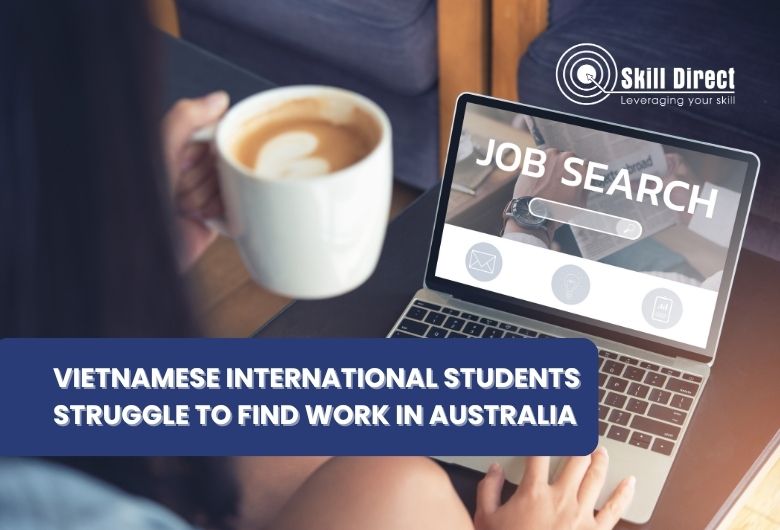
1. The Australian Job Market: Understanding the Current Landscape
Before discussing solutions, it's important to understand what is really happening in Australia's labour market.
Although Australia continues to experience labour shortages driven by an ageing population and increasing demand for skilled workers, finding employment has become more competitive than many international students expect. According to the Australian Bureau of Statistics (ABS), the national underemployment rate was 5,9%in November 2025, representing a slight increase compared with the previous month. This highlights an important reality: while employers are hiring, not every job seeker possesses the skills and experience businesses are looking for.
Today's employers are placing greater emphasis on candidates who can contribute immediately. Practical industry experience, strong communication skills, and an understanding of Australian workplace culture have become increasingly important recruitment criteria. At the same time, the greatest labour shortages are concentrated in occupations requiring specialised skills and industry experience. Unfortunately, many international graduates enter the workforce with limited professional experience, making it more difficult to compete for these positions.
2. Why Is It Becoming More Difficult for International Students to Find Jobs in Australia?
Graduating from a reputable Australian university with excellent academic results does not necessarily guarantee employment. Many international graduates are surprised to discover that despite years of study and significant financial investment, securing a professional role in Australia is far more challenging than they expected. Below are some of the key factors find jobs in Australia to this growing challenge.
2.1 Employment Outcomes: What the Latest Data Shows
Recent data published by the Australian Government Department of Education paints a challenging picture for Vietnamese graduates. Only around half of Vietnamese undergraduate graduates secured full-time employment after graduation. The full-time employment rate declined from 58.9% in 2023 to 51.6% in 2024.
The decline was even more noticeable among postgraduate graduates. The proportion of master's and doctoral graduates employed full-time fell from 78.4% in 2023 to 63.4% in 2024. The only relatively stable employment outcomes were observed among graduates from research-focused programs. These figures highlight an important reality: obtaining an Australian qualification alone is no longer enough to guarantee strong employment prospects.
2.2 Challenges Faced During Your Studies
For many students, the biggest obstacles to employment begin long before graduation.
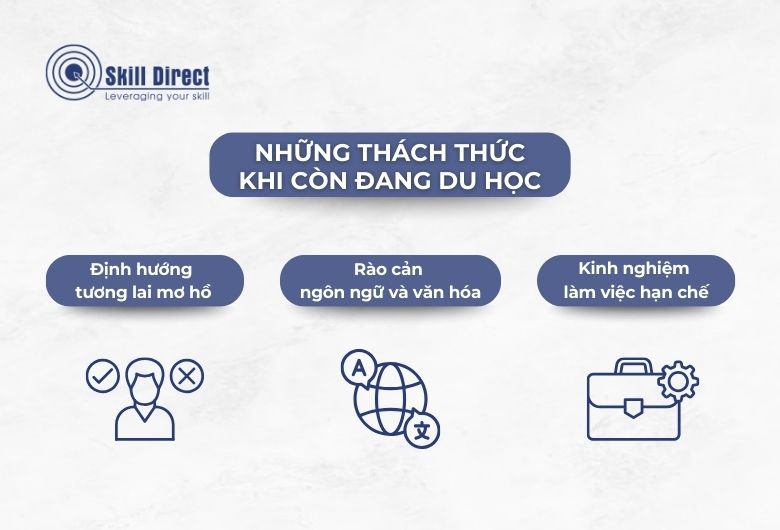
Lack of Career Planning
Many international students arrive in Australia with a simple goal: complete their studies first and decide what to do afterwards. Without a clear long-term career strategy, students often choose a course based solely on personal interest without considering future employment opportunities or potential pathways to Permanent Residency (PR).
By the time they graduate and decide they would like to remain in Australia, they may realise that their occupation offers limited job prospects or is not well aligned with Australia's skilled migration pathways. If your long-term goal is to build a career and settle in Australia, planning should begin before or during your first year of study. Choosing an occupation with strong labour market demand and gaining relevant industry experience as early as possible can significantly improve your future opportunities.
Language and Cultural Barriers
Strong English test scores do not always translate into workplace confidence. Many students achieve an IELTS score of 7.0 or even 8.0 but still struggle when communicating in a professional Australian workplace.
Academic English differs significantly from the conversational English used in everyday business environments. Employers value candidates who can communicate naturally with colleagues, participate confidently in meetings, and adapt to Australian workplace culture—not simply those who perform well in academic writing.
Limited Industry Experience
Many international students spend most of their university years focusing on academic study while working casual jobs to support their living expenses. Although these jobs provide valuable income, they often offer little opportunity to develop experience related to the student's chosen profession. As a result, international graduates frequently find themselves competing for professional positions without the practical experience employers are seeking.
2.3 Challenges After Graduation
Graduation marks the beginning—not the end—of the real challenge. Once you enter Australia's labour market, competition becomes significantly more intense.
Competing Against Local and International Talent: When applying for a job in AustraliaInternational graduates are not only competing with fellow Vietnamese students. They are also competing with Australian graduates who are already familiar with local workplace culture, as well as highly skilled professionals from countries such as India, China, and the Philippines, many of whom possess extensive work experience and excellent English communication skills. Standing out in such a competitive market requires far more than simply holding an Australian degree.
Visa Limitations and Employer Preferences: Visa status remains one of the biggest barriers to employment. Many Australian employers prefer hiring Australian citizens or Permanent Residents because they offer long-term workforce stability and require no future visa sponsorship. Graduates holding a Temporary Graduate visa (subclass 485) often face greater uncertainty from an employer's perspective, as their work rights are temporary and their long-term ability to remain in Australia depends on future visa pathways. Unless an international graduate brings exceptional skills or experience, employers may naturally favour applicants who already have unrestricted work rights.
The Challenge of Moving from Casual to Full-Time Employment

Many international students rely on casual employment to support themselves financially while studying. Although casual work offers flexibility and competitive hourly wages, remaining in these roles for too long can make it difficult to transition into a professional career related to your qualifications.
Most skilled migration pathways—including subclass 189, 190 and 491 visas—require applicants to obtain a positive Skills Assessment, and relevant skilled employment often plays an important role in strengthening both migration prospects and future career opportunities. Graduates who spend most of their post-study period working in unrelated casual jobs may find it increasingly difficult to build the professional experience needed before their Temporary Graduate visa (subclass 485) expires.
3. Practical Strategies to Improve Your Employment Prospects in Australia
Although finding a job in Australia has become increasingly competitive, the door is far from closed. With the right strategy and early preparation, international students can significantly improve their chances of building a successful career after graduation.Here are some practical recommendations for Skill Direct summary aims to help you prepare for entering the Australian job market.
Build Your Professional Network and Develop Soft Skills
Networking is one of the most effective ways to access employment opportunities in Australia. Start building genuine professional relationships by attending industry events, university career fairs, professional seminars, and networking sessions. At the same time, maintain an active and professional presence on LinkedIn, as many Australian recruiters use the platform to identify potential candidates before advertising vacancies publicly.
Equally important is developing the soft skills that employers highly value, including communication, teamwork, problem-solving, adaptability, and critical thinking. Technical knowledge may help you secure an interview, but strong interpersonal skills often determine whether you receive the job offer.

Gain Relevant Industry Experience Early
One of the biggest mistakes many international students make is waiting until graduation to look for professional experience. Instead, start building your résumé as early as possible by seeking opportunities related to your field of study during your second or third year at university. Even if the position offers limited pay - or is unpaid - it can provide valuable Australian workplace experience that strengthens both your employability and your long-term career prospects.
- Volunteer Opportunities: Volunteering is an excellent way to gain transferable skills, expand your professional network, and demonstrate initiative to future employers. Experience gained through community organisations or non-profit groups can also strengthen your résumé.
- Internships: Internships remain one of the best pathways into professional employment. Whether with a large corporation or a small and medium-sized enterprise (SME), gaining hands-on industry experience is often far more valuable than having no relevant experience at all.
Make Use of Australia's Leading Job Platforms
While networking plays a crucial role, online recruitment platforms remain an essential part of any successful job search strategy.
- SEEK: SEEK is Australia's largest employment marketplace and one of the first places where employers and recruitment agencies advertise professional vacancies. Regularly updating your profile and setting job alerts can help you stay informed about new opportunities.
- LinkedIn: LinkedIn is much more than a job search platform - it's your professional portfolio. Australian employers frequently review candidates' LinkedIn profiles before inviting them to an interview. Optimising your profile with relevant industry keywords, showcasing your achievements, and engaging with professional content can significantly improve your visibility to recruiters.
The journey of find jobs in Australia has never been easy for international graduates, and today's labour market is more competitive than ever. However, challenges also create opportunities for those who prepare early and plan strategically. Rather than waiting until graduation to think about your future, start building your career roadmap from the beginning of your studies. By developing relevant skills, gaining practical experience, and understanding Australia's skilled migration pathways, you'll place yourself in a much stronger position to compete in the job market. If you're looking for personalised advice on studying, working, or planning your pathway towards Permanent Residency (PR) in Australia, the team at Skill Direct is here to help. Contact us today to develop a strategy tailored to your career goals and migration plans.