



TRA Skills Assessment is often the first major challenge that skilled trades workers must overcome if they intend to migrate to Australia. However, the process is far from straightforward. Applicants are required to prepare extensive documentation and provide evidence of both their qualifications and practical experience. So, how can you successfully navigate this process? Let's explore the solutions designed specifically for skilled trades workers with Skill Direct.
1. What Is a TRA Skills Assessment and Who Needs It?
Understanding what TRA is, how it operates, and which occupations it assesses will help you develop a clearer migration strategy aligned with your career goals and long-term plans in Australia.
A TRA Skills Assessment is not merely an administrative requirement for a skilled migration visa. It is a critical first step that allows you to demonstrate your trade skills and unlock opportunities to live and work legally in Australia.
1.1 What Is TRA?
TRA (Trades Recognition Australia) is an Australian Government authority responsible for assessing the skills of individuals working in trade occupations, including both domestic and overseas applicants.
Trades Recognition Australia (TRA) is an Australian Government authority responsible for assessing the skills of individuals working in trade occupations, including both domestic and overseas applicants.
1.2 What Evidence Does TRA Require to Assess Your Skills?
To successfully complete a TRA Skills Assessment, you must provide sufficient evidence to demonstrate both your qualifications and practical work experience.
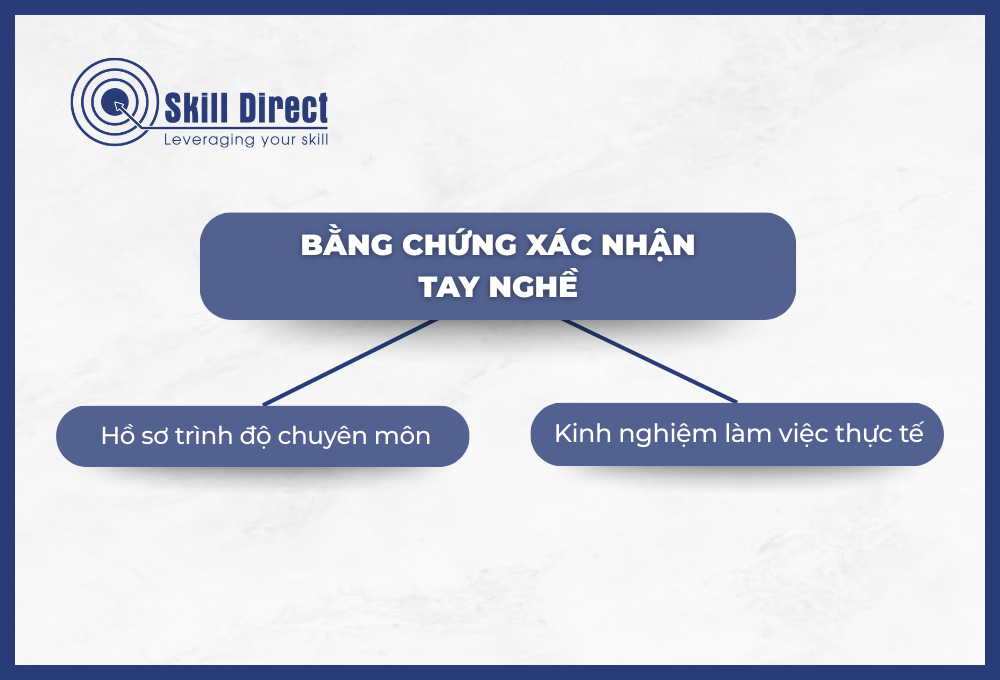
1. Qualifications Evidence
Your documentation must demonstrate that your vocational education and training are comparable to the standards outlined in the Australian Qualifications Framework (AQF). Evidence may include: Các bằng chứng cụ thể gồm:
- Trade qualifications or certificates awarded;
- Academic transcripts or documents showing the commencement and completion dates of your training;
- Supporting vocational training records such as training logs, apprenticeship records, or practical training certificates, where applicable.
Note: The following documents are generally not accepted as substitutes for formal trade qualifications:
- Occupational licences;
- Stand-alone trade tests are unsupported by formal training;
- Short-course certificates (for example, one-day courses or individual units);
- Statements of attainment or incomplete qualifications;
- Qualifications issued. sau thời điểm nộp đơn.
After submission, TRA evaluates your qualifications based on three key criteria:
- Quality: TRA verifies whether your qualification was delivered and regulated by an authorised institution in the country where it was awarded
- Level: TRA determines whether your qualification is comparable to the AQF level required for your nominated occupation.
- Relevance: TRA compares the content of your training against the equivalent Australian qualification to ensure it aligns with your nominated occupation. If necessary, TRA may request additional evidence or seek direct verification from the issuing institution through electronic channels.
2. Employment Evidence
- Employment references: For each employer, you must provide an employment statement completed and signed by the employer or direct supervisor, together with valid contact details. TRA may verify both the legitimacy of the business and the duties you performed to ensure they align with the occupation being assessed. Note: Importantly, job descriptions must not be copied directly from ANZSCO or third-party sources.
- Employment duration: You must demonstrate at least three years of paid full-time employment, or the part-time equivalent, in a field relevant to your nominated occupation. TRA places significant emphasis on continuous and stable employment. Under Fair Work Australia guidelines, full-time employment generally means 38 hours per week unless otherwise specified by an industry award. Therefore, if you work part-time, TRA will consider and convert your qualifications accordingly, depending on the specific occupation. Only when you meet the required working hours will your skills be considered suitable for Australian occupational standards.
- Salary statement from the bank: Supporting documents such as bank statements and payslips must also be provided. TRA may request further evidence if the initial documentation is insufficient to verify your employment history.
1.3 Which Occupations Require a TRA Skills Assessment?
TRA assessments commonly apply to trade occupations.Some of the most common occupational groups include:
- Mechanical and fabrication trades: refrigeration mechanics, automotive mechanics, welders, fitters and related trades;
- Electrical trades: electricians, cable jointers, and related occupations;
- Construction trades: carpenters, painters, glaziers, and similar occupations;
- Service trades: chefs, bakers, and related occupations.

Beyond these categories, TRA also assesses a range of other specialised occupations. Applicants should refer website chính thức của TRA để kiểm tra danh sách cập nhật và xác định xem to the official TRA website to confirm whether their nominated occupation falls within TRA's scope of assessment.
1.4 TRA Programs and Assessment Pathways for Trades Workers
Trades Recognition Australia currently offers several assessment programs tailored to different occupations and visa pathways, including: Migration Skills Assessment (MSA); Offshore Skills Assessment Program (OSAP); Provisional Skills Assessment (PSA); and TSS Skills Assessment Program.
In this article, Skill Direct focuses on the Migration Skills Assessment (MSA) pathway, which is designed for highly skilled tradespeople seeking long-term migration opportunities in Australia.
Eligibility Requirements for MSA
To be eligible for an MSA application, Migration Skills Assessment (MSA)you generally need to satisfy the following requirements:
- Your occupation is listed on either the Medium and Long-term Strategic Skills List (MLTSSL) or the Short-term Skilled Occupation List (STSOL);
- You possess qualifications and employment experience relevant to Australian occupational standards.
The MSA Application Process
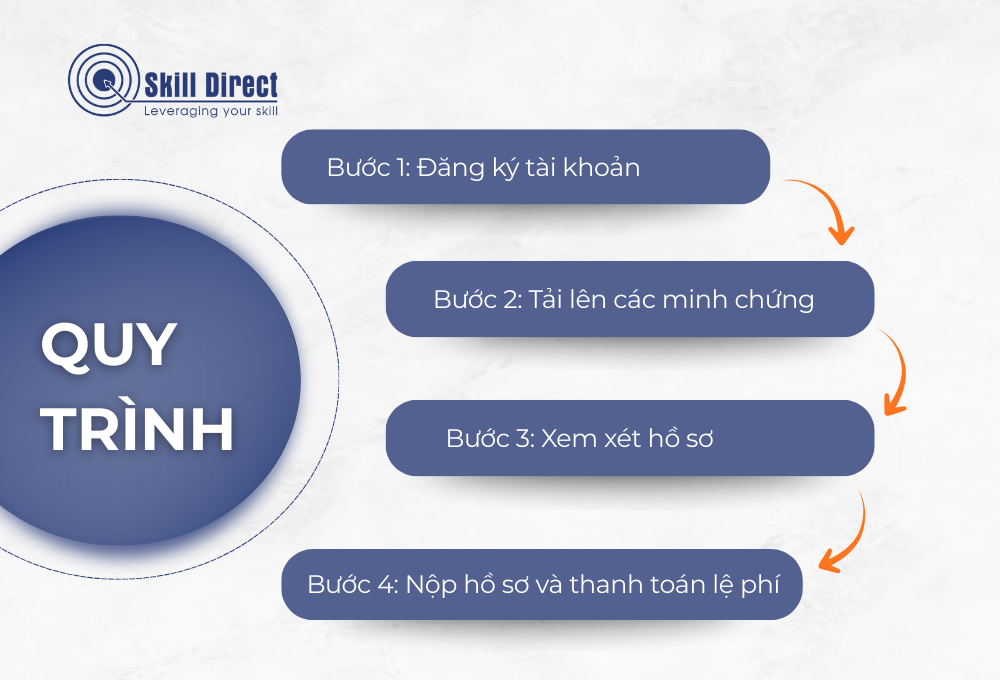
Applications are lodged through the TRA Online Portaland generally involve the following steps:
Step 1: Create an account
Please access the official TRA portal to register your online account. Ensure all personal and biographical information is completed accurately in accordance with the provided guidelines.
Step 2: Upload supporting evidence
You must carefully review the document checklist required by Trades Recognition Australia and upload comprehensive evidence of your qualifications and relevant work experience.
Step 3: Review your application
A meticulous final review is essential to ensure you have provided all mandatory evidentiary requirements, including academic qualifications, professional certificates, employer reference letters, and verifiable financial evidence.
Step 4: Lodge the application and pay the fee
Finally, finalize your application process by remitting the 795 AUD assessment fee directly through the online portal and completing the formal lodgement of your documentation to TRA.
Processing Times and Skills Verification
Normally, MSA applications generally take around 120 days to process.However, timeframes may vary depending on the occupation and the complexity of the evidence provided.
Following the submission of the online application, applicants may be invited to participate in a Trade Test conducted either online or in person. The purpose of this assessment is to evaluate the applicant's practical competence and work experience against Australian occupational standards.
2. Why Is a TRA Skills Assessment Particularly Challenging for Trades Workers?
Although TRA requires evidence similar to other assessing authorities, the assessment process can be considerably more challenging for trades workers due to the hands-on nature of their occupations and the need for clear documentary evidence.
2.1 The Unique Nature of Trade Occupations
Many trade occupations in Vietnam, such as construction workers, electricians, carpenters, mechanics, and chefs, place a stronger emphasis on practical skills than academic qualifications. This can create difficulties when gathering suitable evidence, particularly where:
- Trade qualifications obtained in Vietnam do not meet the quality requirements of the AQF framework;
- Former employers have ceased operations, making employment verification difficult; or
- Payslips, employment contracts, and reference letters do not meet TRA's documentary requirements.
In addition, many tradespeople work as self-employed contractors or within small businesses without formal employment arrangements, making it even more difficult to provide sufficient evidence acceptable to TRA.
2.2 Tips to Improve Your Chances of Success
To maximise your chances of receiving a positive TRA outcome, careful preparation from the outset is essential.

Some practical recommendations include:
- Gather all necessary supporting documents, including diplomas, manager confirmations, contracts, and payslips: You need to accumulate and collect these documents as soon as you intend to submit your skills assessment application. Early preparation helps you avoid the risk of missing documents or difficulty verifying information if your previous employer is no longer operating.
- Ensure your employment references accurately reflect the duties and skills relevant to your nominated ANZSCO occupation; and
Seek guidance from experienced migration professionals where possible to avoid common mistakes that may result in delays or a negative assessment outcome.
2.3 Insights from the Experts
At Skill Direct, we have assisted many highly experienced tradespeople who nevertheless encountered difficulties when preparing their TRA Skills Assessment applications. Common challenges include missing payslips, employment across multiple businesses, or self-employment arrangements with limited documentary evidence.
Understanding these obstacles, Skill Direct supports applicants throughout every stage of the preparation process, helping them identify appropriate solutions and maximise their chances of achieving a positive TRA outcome.
If you are unsure where to begin, don't hesitate to contact Skill Direct. Our experienced team can guide you through the process and provide tailored support to help turn your Australian migration goals into a realistic and achievable pathway.