




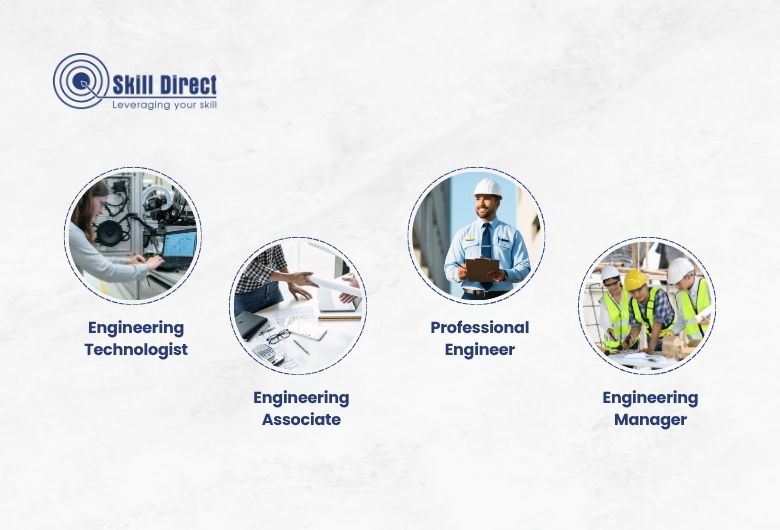
When preparing a skills assessment application with Engineers Australia (EA), there are four main engineering occupational categories you need to understand: Professional Engineer, Engineering Technologist, Engineering Manager, and Engineering Associate.
A common feature of these four categories is that they generally require an engineering qualification, such as a Bachelor of Engineering or an equivalent qualification under the Australian Qualifications Framework (AQF). So, what makes them different? The answer usually lies in the number of specialised engineering subjects you completed and the institution that awarded your qualification.
In this article, Skill Direct will help you understand the key differences between these categories so you can correctly identify where your profile fits.
1. Engineering Technologist: A Flexible Pathway for CDR Applications
Engineering Technologist is one of the most common occupational categories for applicants lodging a skills assessment through the CDR pathway with EA. This category is suitable for engineers from a wide range of disciplines, including Mechanical, Chemical, Electrical, Electronics, and many other engineering fields.
The usual qualification requirement is a Bachelor of Engineering or equivalent, often from institutions classified under Section 2 according to EA’s standards. Although this category does not require the same broad systems-level perspective as a Professional Engineer, it still requires strong technical expertise and the ability to apply technology across diverse practical contexts.
Key Roles and Responsibilities
- Applying and managing technology: Engineering Technologists specialise in applying, adapting, or managing existing and emerging technologies in different settings. They are often experts in a specific area of technology, with deep knowledge of the latest applications and the current stage of development within that field.
- Connecting theory with practice: Their work requires a strong understanding of scientific and engineering principles, combined with analytical ability to keep up with advanced technological developments and apply them in real-world situations.
Why Is Engineering Technologist a Popular Category?
This category is commonly chosen because of its flexibility and broad accessibility. If you graduated from an institution classified under Section 2 according to EA’s standards, this is often the most suitable option. In some cases, engineers who may be eligible to apply under the Professional Engineer category may still choose to nominate Engineering Technologist as an additional occupation to increase their chances of receiving an invitation to apply for a skilled visa. This strategy may help optimise the applicant’s Expression of Interest (EOI) profile and create more opportunities on their migration pathway to Australia.
2. Engineering Associate: Technical Support and Practical Application Specialist
Engineering Associate is a category for those who enjoy technical support roles and turning engineering ideas into practical outcomes. This can be an ideal option for positions such as Civil Engineering Draftsperson, Mechanical Engineering Draftsperson, Electrical Engineering Draftsperson, and similar roles.
Key Difference
Unlike a Professional Engineer, who takes a broader systems-level approach, or an Engineering Technologist, who focuses on advanced technology, an Engineering Associate is more practice-oriented and support-focused. Their work involves assisting technicians and professional engineers in preparing, organising, and operating technical processes. This category is suitable for applicants who have completed a Diploma, Advanced Diploma, Associate Degree, or an equivalent qualification under the Australian Qualifications Framework (AQF).
3. Professional Engineer: Systems Specialist and Comprehensive Solution Provider
Professional Engineer is the category for professional engineers who take full responsibility for engineering projects and programs. The minimum qualification requirement is generally a four-year Bachelor of Engineering under the Australian Qualifications Framework (AQF), or an equivalent qualification, usually from institutions classified under Section 1 by EA.
Key Roles and Responsibilities
- Managing integrated systems: Professional Engineers ensure that materials, components, sub-systems, and technologies operate smoothly and are integrated into a sustainable and effective overall system.
- Solving complex problems: They combine knowledge from multiple sources to develop solutions that balance technical and non-technical factors, while also managing risk and ensuring sustainability.
- Providing strategic direction: They advise on and communicate technological solutions to society, businesses, or government bodies, helping decisions to be made based on clear information about costs, risks, and limitations.
Example: If you completed a Bachelor of Civil Engineering at an institution classified under Section 1 by Engineers Australia and your work experience is related to construction, civil works, and project management, your profile may be assessed under the Civil Engineer occupation.
4. Engineering Manager: Leading the Engineering Vision
This category is suitable for applicants who have completed an engineering qualification and have at least five years of professional and management experience.
Key Roles and Responsibilities
- Engineering strategy planning: Engineering Managers develop, implement, and oversee engineering policies and plans to ensure they align with the organisation’s long-term objectives.
- Effective operational management: They manage engineering projects, including budgeting, scheduling, and ensuring compliance with legal requirements, safety standards, quality standards, and performance expectations.
- Technical advisory: They interpret drawings, plans, and technical specifications, and provide solutions to meet construction or production requirements.
Engineering Managers combine the technical knowledge of a Professional Engineer, the technology application skills of an Engineering Technologist, and the drafting/support capabilities of an Engineering Associate to improve the productivity and efficiency of an organisation.
If You Hold a PhD or Master of Philosophy (MPhil), Which Category Do You Belong To?
A PhD and MPhil are research-based qualifications. Applicants holding these qualifications need to demonstrate their ability to conduct independent research and contribute to the development of new engineering processes, methods, or technical knowledge. When assessing PhD graduates, Engineers Australia will generally consider the applicant’s relevant Bachelor and/or Master qualification, the institution that awarded the qualification, whether it falls under Section 1 or Section 2, and the PhD itself to form an overall view of the applicant’s skills and experience.
However, you should still include your PhD in your skills assessment application. Once you receive a positive skills assessment outcome, this may give you an advantage when claiming qualification points in your EOI for skilled visa pathways. In addition, you may be able to claim extra points if your PhD or MPhil research topic is related to Specialist Education Qualifications in Engineering, Science, and Technology.
What If You Graduated with a Bachelor of Science?
If you graduated with a Bachelor of Science, Engineers Australia will generally require you to also complete a relevant Master’s degree in Engineering or Technology to qualify for the Professional Engineer or Engineering Technologist category. Depending on the number and nature of the engineering subjects you completed during your Master’s program, EA may determine whether your profile is more suitable for Professional Engineer or Engineering Technologist.
General Requirements for All Engineering Categories
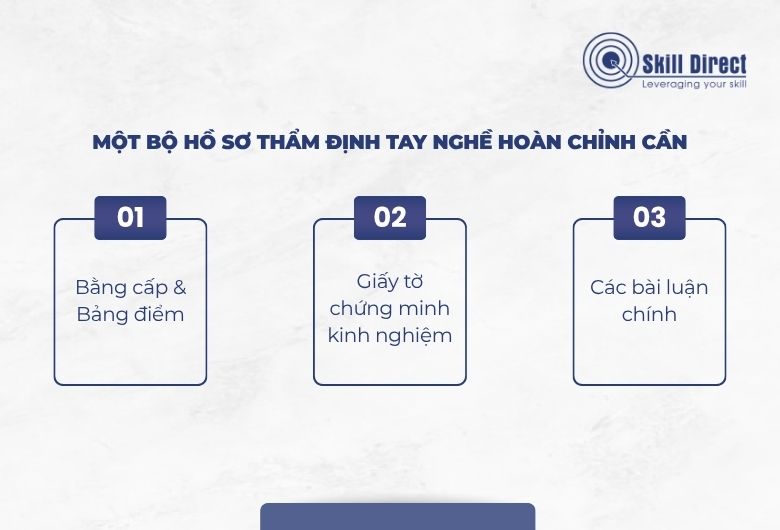
Regardless of which category you fall under, a complete skills assessment application should generally include the following documents:
- Qualifications & Academic Transcripts: Officially certified by the education provider and accompanied by valid English translations, preferably by a NAATI-accredited translator where required.
- Employment Evidence: Employment reference letters, payslips, social insurance records, bank statements, and other documents proving your work experience.
- Core CDR Documents: Three Career Episodes based on your study and/or work experience, a Continuing Professional Development (CPD) record, and a Summary Statement.
So, which engineering category do you belong to - Engineering Technologist, Engineering Associate, Professional Engineer, or Engineering Manager?
Let Skill Direct help you identify the right category before lodging your Skills Assessment application.